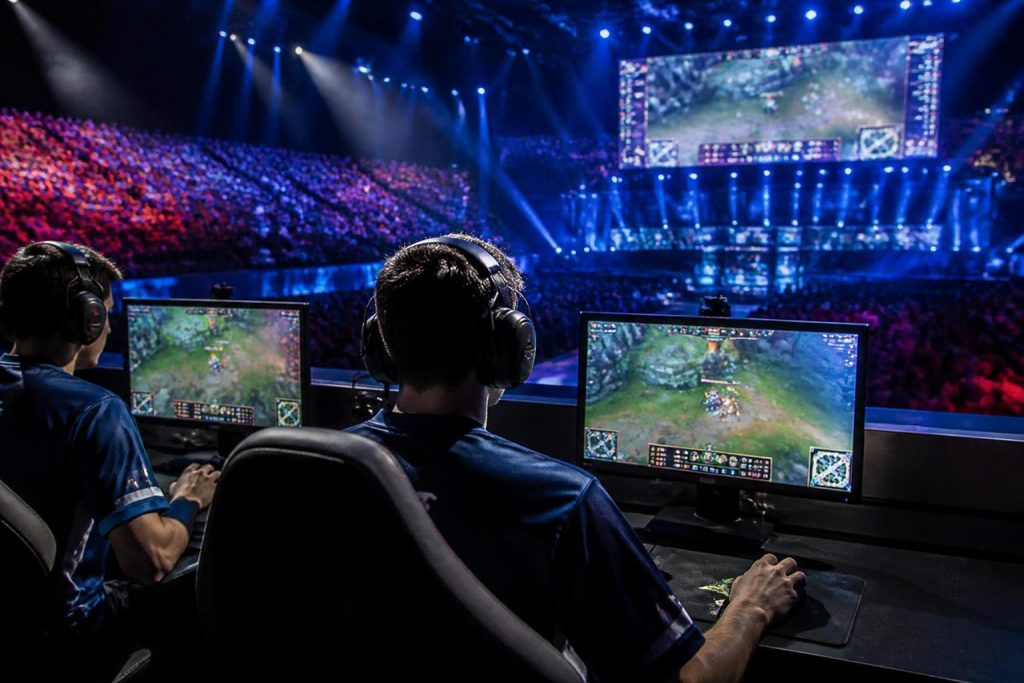
The growth of esports tournaments has dramatically altered the competitive gaming landscape over the past decade, transforming how players, teams, and audiences engage with video games. Once a niche hobby, competitive gaming has blossomed into a massive global industry, drawing millions of viewers, significant investment, and unprecedented media coverage. With an increasing number of tournaments and evolving formats, esports has become a vital component of the gaming culture, leading to profound changes in player careers and community engagement.
Expanding Audience Reach and Popularity
One of the most remarkable aspects of the growth of esports tournaments is the expansion of their audience. Initially confined to small gatherings and online streams, today’s major tournaments can attract millions of viewers both online and in-person. Events like the League of Legends World Championship and The International for Dota 2 have recorded audience numbers that rival traditional sports finals.
Streaming platforms such as Twitch and YouTube have played a crucial role in this surge, providing easy access to live broadcasts and replays. As gaming becomes more mainstream, a diverse range of viewers, including younger audiences and sports fans, are drawn to esports tournaments, making this phenomenon a cultural touchstone. This engagement is further enhanced by social media, where clips, highlights, and fan interactions create a vibrant community around these events.
The Economic Impact of Esports Tournaments
The economic ramifications of the growth of esports tournaments are substantial. Industry analysts estimate that the global esports economy will reach billions of dollars within the next few years, driven largely by sponsorship deals, merchandise sales, and advertising revenue. Sponsorship from major brands has surged, with companies ranging from tech giants to consumer goods manufacturers looking to capitalize on the visibility and engagement of esports audiences.
Moreover, the professionalization of esports is creating jobs not only for players but also for coaches, analysts, and content creators. Teams are now structured like traditional sports franchises, complete with management and support staff. This shift has led to the emergence of educational programs and scholarship opportunities in gaming, as many universities capitalize on the popularity of esports, offering degrees and training in game design and esports management.
Diverse Tournament Formats and Accessibility
Another significant factor in the growth of esports tournaments is the diversification of formats and the increasing accessibility of participating in these events. Traditional tournaments often featured a single game format, but now we see a variety of formats, including league play, knockout events, and online qualifiers. This flexibility allows more players from different skill levels and backgrounds to participate, whether they are casual gamers or aspiring professionals.
Additionally, platforms like เว็บสล็อต facilitate amateur tournaments, nurturing grassroots competition and providing a pathway for new talent. In recent years, the integration of mobile gaming into the esports scene has further widened participation, empowering players from regions where console and PC gaming access may be limited. Mobile games like PUBG Mobile and Clash Royale have seen their own tournaments gain immense popularity, appealing to a broader audience.
Challenges Facing the Esports Tournament Landscape
Despite the flourishing nature of esports tournaments, several challenges remain that could impact future growth. The industry faces concerns regarding player burnout, mental health, and the need for better regulatory frameworks. Players often endure demanding schedules that can lead to physical and emotional strain, prompting discussions around work-life balance within esports teams.
Furthermore, the rise of online tournaments also raises questions regarding fair play and cheating, as technology advances make it easier for dishonest practices to occur. Ensuring the integrity of tournaments is critical for maintaining player and audience trust, necessitating the development of robust guidelines and oversight by governing bodies.
The Future of Esports Tournaments
The future of the growth of esports tournaments looks promising as the industry continues to evolve. Emerging technologies like virtual reality and augmented reality have the potential to enhance the spectator experience, offering innovative ways to engage fans. Furthermore, we may see more collaboration with traditional sports organizations, leading to crossover events and increased legitimacy in the eyes of the public.
As major media outlets cover these events more extensively, the narrative around esports is shifting from a fringe activity to a celebrated form of entertainment. With increased investment in infrastructure, training facilities, and player wellness programs, the foundations for sustained growth are being laid, suggesting that esports tournaments will remain a prominent fixture in the global entertainment landscape.
In conclusion, the growth of esports tournaments has irrevocably transformed the competitive gaming landscape, making it a vibrant and economically significant sector. As audiences continue to grow, tournament formats diversify, and challenges are addressed, the future of esports appears bright. These developments not only highlight the potential of competitive gaming but also reinforce its place in modern culture, attracting interest from players and fans alike. The journey of esports is just beginning, and its impact will resonate for years to come.